
pink frosted glass
The Importance of Stainless Steel Pigeon Spikes in Urban Environments In the bustling urban landscape, pigeons have become an ubiquitous sight, often causing issues with their droppings and nesting habits. To combat this, stainless steel pigeon spikes have emerged as a popular and effective solution to deter these feathered pests from landing and roosting on buildings and public spaces. Stainless steel pigeon spikes, as the name suggests, are anti-roosting devices made primarily from high-quality stainless steel. They consist of sharp, yet safe, spikes mounted on strips or plates that are designed to prevent birds, particularly pigeons, from perching on ledges, gutters, and other architectural features. The spikes are strategically placed to discourage birds without causing harm, making them a humane approach to bird control. The choice of stainless steel for these spikes is not arbitrary. Stainless steel offers numerous advantages over other materials. Firstly, it is highly resistant to corrosion, ensuring the spikes maintain their integrity and effectiveness even in harsh weather conditions or exposure to bird droppings. This durability ensures a long lifespan, reducing the need for frequent replacements and maintenance. Secondly, stainless steel has a sleek, unobtrusive appearance that blends seamlessly with the surrounding architecture. It does not rust or discolor, maintaining its aesthetic appeal while serving its functional purpose. Furthermore, the material is non-toxic, posing no risk to the birds or the environment Furthermore, the material is non-toxic, posing no risk to the birds or the environment Furthermore, the material is non-toxic, posing no risk to the birds or the environment Furthermore, the material is non-toxic, posing no risk to the birds or the environment stainless steel pigeon spikes . The installation of stainless steel pigeon spikes is a strategic process. They are typically positioned along the edges of ledges, rooftops, and other areas where pigeons tend to congregate. The spikes create an uncomfortable surface for the birds, discouraging them from landing and settling. Over time, they learn to avoid these areas, effectively deterring them from causing damage or nuisance. Moreover, the use of stainless steel pigeon spikes is not only practical but also contributes to the overall cleanliness and hygiene of the city. Pigeon droppings can be acidic and corrosive, damaging building facades and posing health risks due to the potential spread of diseases. By preventing,。 In conclusion, stainless steel pigeon spikes represent a smart and eco-friendly solution to the challenges posed by urban pigeon populations. Their durability, aesthetics, and effectiveness make them a preferred choice for property owners, facility managers, and environmentalists alike. As cities continue to grapple with the balance between human habitation and wildlife coexistence, innovations like stainless steel pigeon spikes offer a practical, humane, and sustainable way forward.
about
pink frosted glass
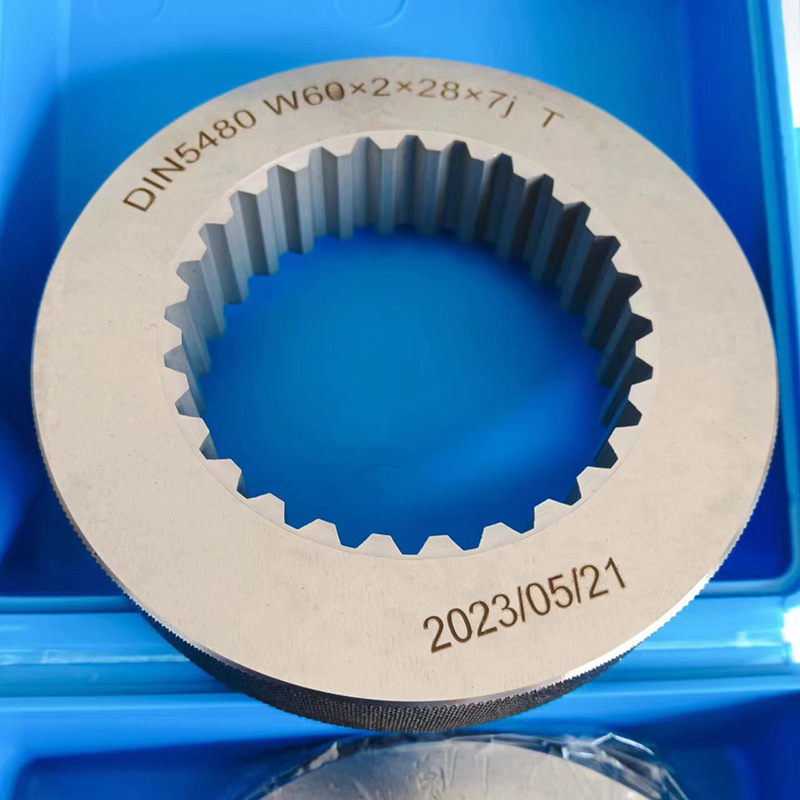
Understanding the Use of Thread Ring Gauges for Inspection Thread ring gauges are essential tools in the field of manufacturing and engineering, particularly when it comes to the inspection and verification of threaded components. These gauges are designed to check the accuracy and quality of internal threads on various types of fasteners, ensuring that they meet the required specifications. The proper use of thread ring gauges can significantly enhance product reliability and performance, making them a critical aspect of quality management in industries such as automotive, aerospace, and construction. What is a Thread Ring Gauge? A thread ring gauge is a cylindrical tool made of high-quality steel or other durable materials. It features an internal thread profile that is precisely machined to match the specifications of the standard thread sizes (for example, UNC, UNF, etc.). The main function of this gauge is to check the dimensions and overall quality of the threaded parts. Thread ring gauges can be classified into two main categories 1. Go Gauges These gauges are designed to verify that the threaded part’s dimensions are within acceptable limits. If the part can successfully engage with the Go gauge, it indicates that the major and minor diameters, as well as the pitch diameter, are acceptable. 2. No-Go Gauges In contrast, No-Go gauges are designed to ensure that the thread profile is not oversized. If the part fits on this gauge, it indicates that the dimensions are out of tolerance, and the component should be rejected. Importance of Thread Ring Gauges The use of thread ring gauges is crucial for several reasons 1. Quality Control By utilizing these gauges, manufacturers can maintain consistent quality in their production processes. They enable quick and accurate inspection of threaded components, ensuring that they meet the specified tolerances. 2. Cost Efficiency Detecting defects early in the manufacturing process can save significant costs . Thread ring gauges help reduce the risk of producing defective parts that may lead to costly rework or failures in the field. thread ring gauge is used for checking 3. Safety In critical applications like aerospace and automotive components, ensuring the integrity of threaded parts is essential for safety. Faulty threads can lead to catastrophic failures, which can be mitigated by regular inspection using ring gauges. 4. Standardization Thread ring gauges adhere to industry standards, promoting uniformity in threaded components across different manufacturers. This is especially important in global markets where components from various sources must fit together seamlessly. How to Use a Thread Ring Gauge Using a thread ring gauge is relatively straightforward, but it requires precision and attention to detail 1. Clean the Component Before testing, ensure that the threaded part is clean and free of debris, as contaminants can affect the gauge's accuracy. 2. Inspect with Go Gauge First, attempt to fit the Go gauge onto the threaded component. It should screw on smoothly without excessive force. If it fits well, it indicates that the part meets the basic requirements. 3. Inspect with No-Go Gauge Next, use the No-Go gauge. This gauge should not fit onto the threaded part. If it can be screwed onto the component, it signifies that the part exceeds the maximum tolerance limits and should be rejected. 4. Record Measurements After performing the inspections, it's important to record the findings for quality control documentation. This helps in tracking production performance over time. Conclusion In conclusion, thread ring gauges play a vital role in the quality assurance process in manufacturing. Their ability to quickly and accurately assess the integrity of threaded components ensures that products meet industry standards and customer expectations. By integrating the use of thread ring gauges into routine inspections, manufacturers can enhance product quality, improve safety, and achieve greater operational efficiency.
-

High quality industrial productsagement

High quality industrial products
View Details -

Meet the diverse needs of customers

Meet the diverse needs of customers
View Details -

Strict quality control

Strict quality control
View Details -

Top raw materials

Top raw materials
View Details -

Trusted supplier

Trusted supplier
View Details
Our application
news and information
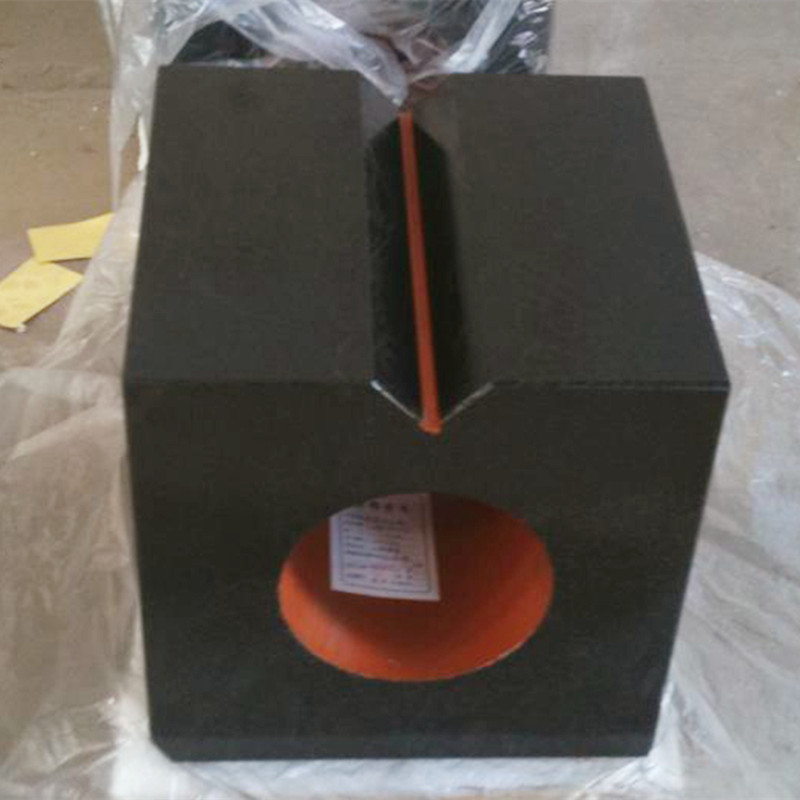
v block v block
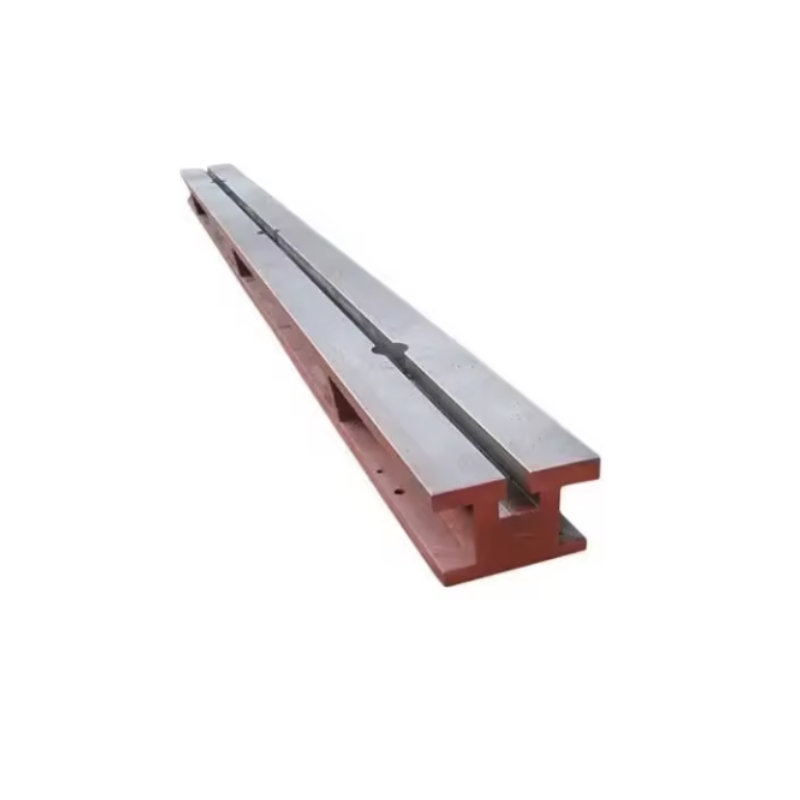
Understanding V Block A Fundamental Tool in Manufacturing and Engineering In the world of manufactur
Valvole a farfalla da 14% per applicazioni industriali e soluzioni innovative.
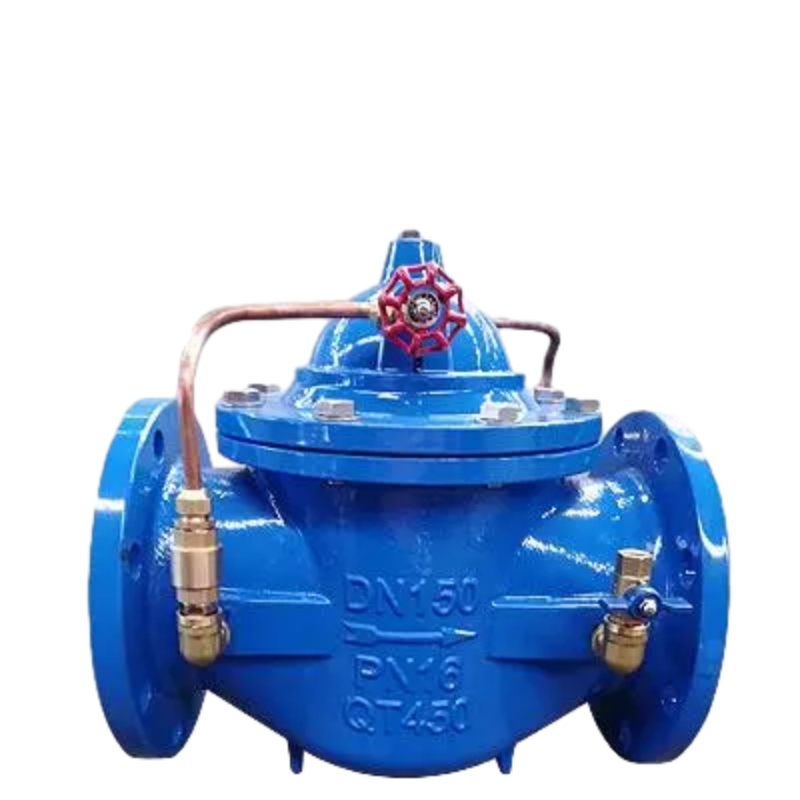
14 gate valve .

Valve Wholesale Quality Products & Competitive Prices
Valve wholesale is an integral part of numerous industries ranging from oil and gas to pharmaceutica
 English